Earth appears above the Moon’s edge. The frame then tightens, the edge disappears, and the small disc remains in the darkness. We may read this passage as an approach. Yet no camera has travelled that distance: we have only changed the visible portion of a photograph.
It is a modest example, but it touches a difficulty in documentary storytelling. The material can be authentic while the relationship suggested by the edit is constructed. An individual image’s provenance does not guarantee every sentence we make it speak by placing it beside another.
One document, three views
The photograph is Earthrise, taken by Bill Anders during Apollo 8 on 24 December 1968 and preserved in the NASA archive. The file used here is already in MAVID’s archive, with its source credit.
I prepared three views: the whole image, a tighter frame and a detail. They are crops of the same file. They are not three successive moments in the mission and do not reconstruct the astronaut’s actual movement. Their sequence examines what an editing decision adds to a still document.
Three views, one document
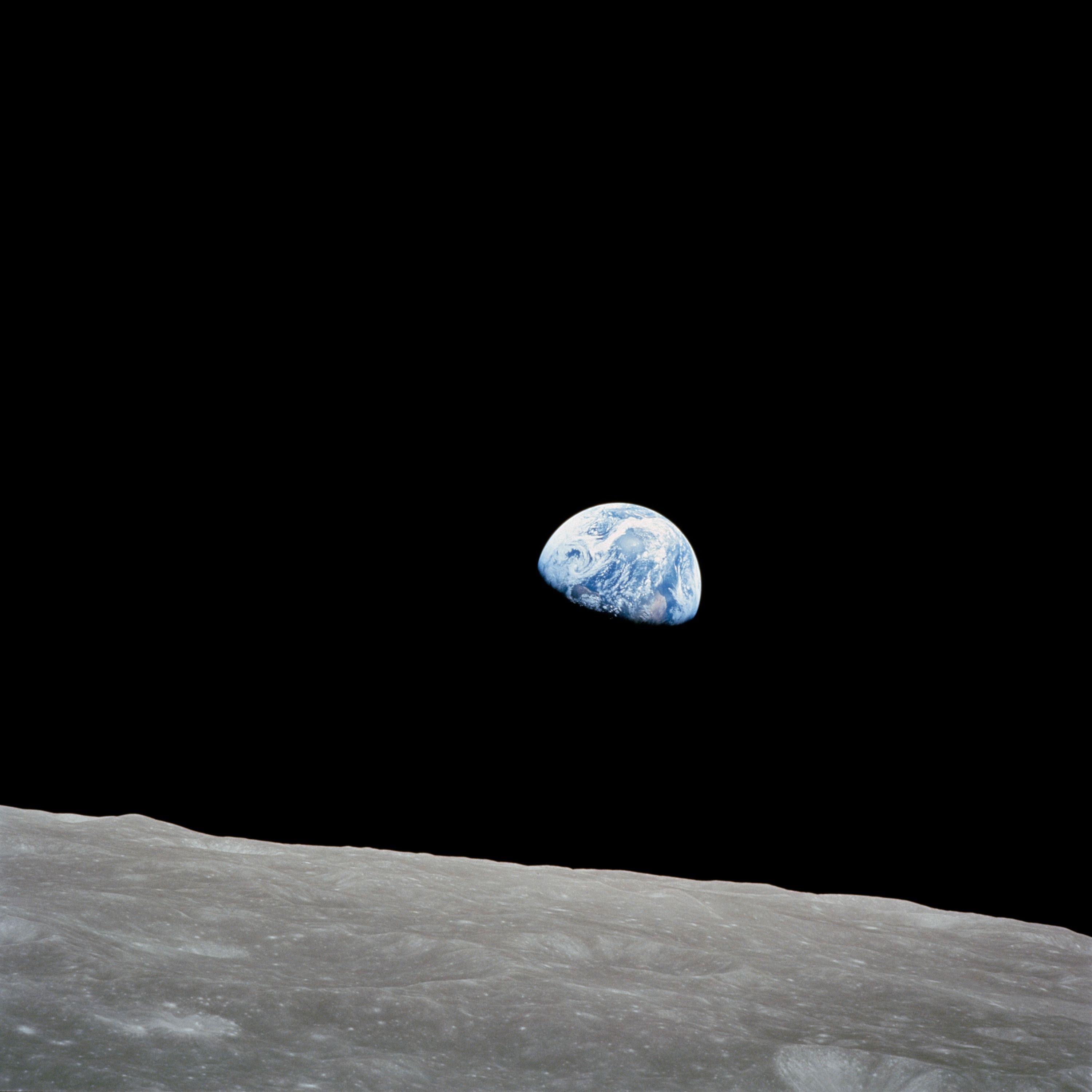
NASA / Bill Anders · Earthrise, 24 December 1968. Three views of the same file, not three moments.
A cut can change the sentence without changing the image’s provenance. In the whole frame, the distance between Earth and the lunar surface sustains the relationship. The detail may shift attention towards the disc’s apparent fragility or its shape. These are readings of the composition, rather than new information about the mission.
Time the material does not contain
Assigning a duration to each view introduces a second choice. A long pause on the lunar surface prepares a different expectation from an immediate opening on Earth. The document does not establish by itself which part should be recognised first or how much time it deserves.
The risk begins when editorial duration is mistaken for the event’s time. A prolonged shot can make a gesture seem hesitant; a quick cut can remove the conditions in which it occurred. To assess a documentary sequence, I would therefore want to return to the material from which it was built, rather than only to the version that has found its rhythm.
Here the return is simple: reopen the complete view and the NASA record. A project with many recordings would need more precise references, such as filenames, timings and editing notes. The principle is the same: keep a route for discussing the relationships introduced by selection.
The outtakes around the scene
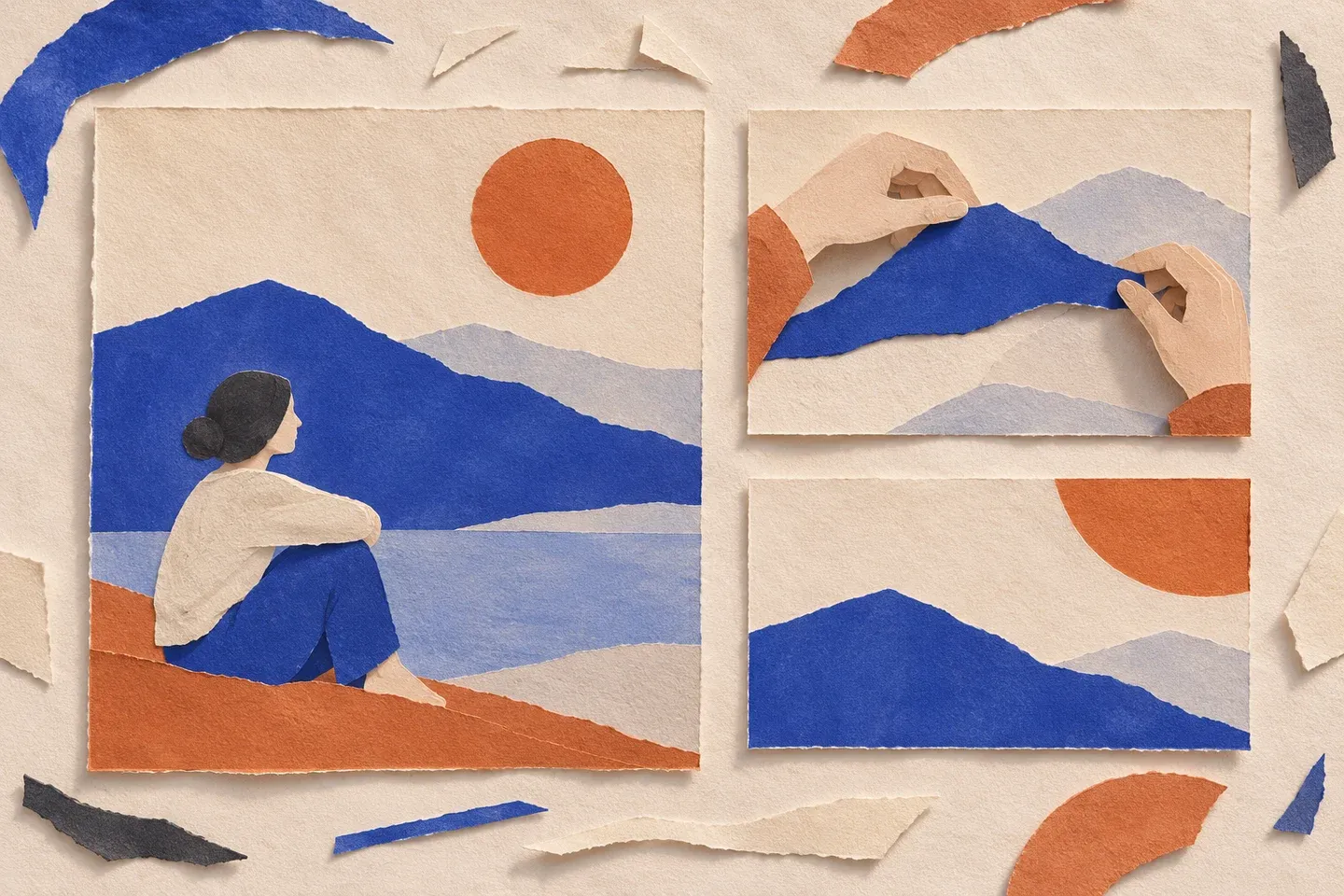
Editing’s off-screen space also includes what we leave in the archive. A recording may be excluded because it is unusable, redundant or contrary to the chosen interpretation. These reasons carry different weights. Calling them all synthesis makes the work comfortable to defend and difficult to examine.
I do not think a documentary must show every outtake. That would be another film, perhaps an unreadable one. I do want choices to be explainable without inventing continuity the material cannot support. Two people filmed at different times do not become interlocutors simply because a reverse shot makes them appear close.
A caption can repair or aggravate the problem too. Saying that three images come from the same file does not weaken the example: it lets us judge the edit for what it actually does. Hiding the circumstance would grant it temporal documentation it does not possess.
Responsibility for the connection
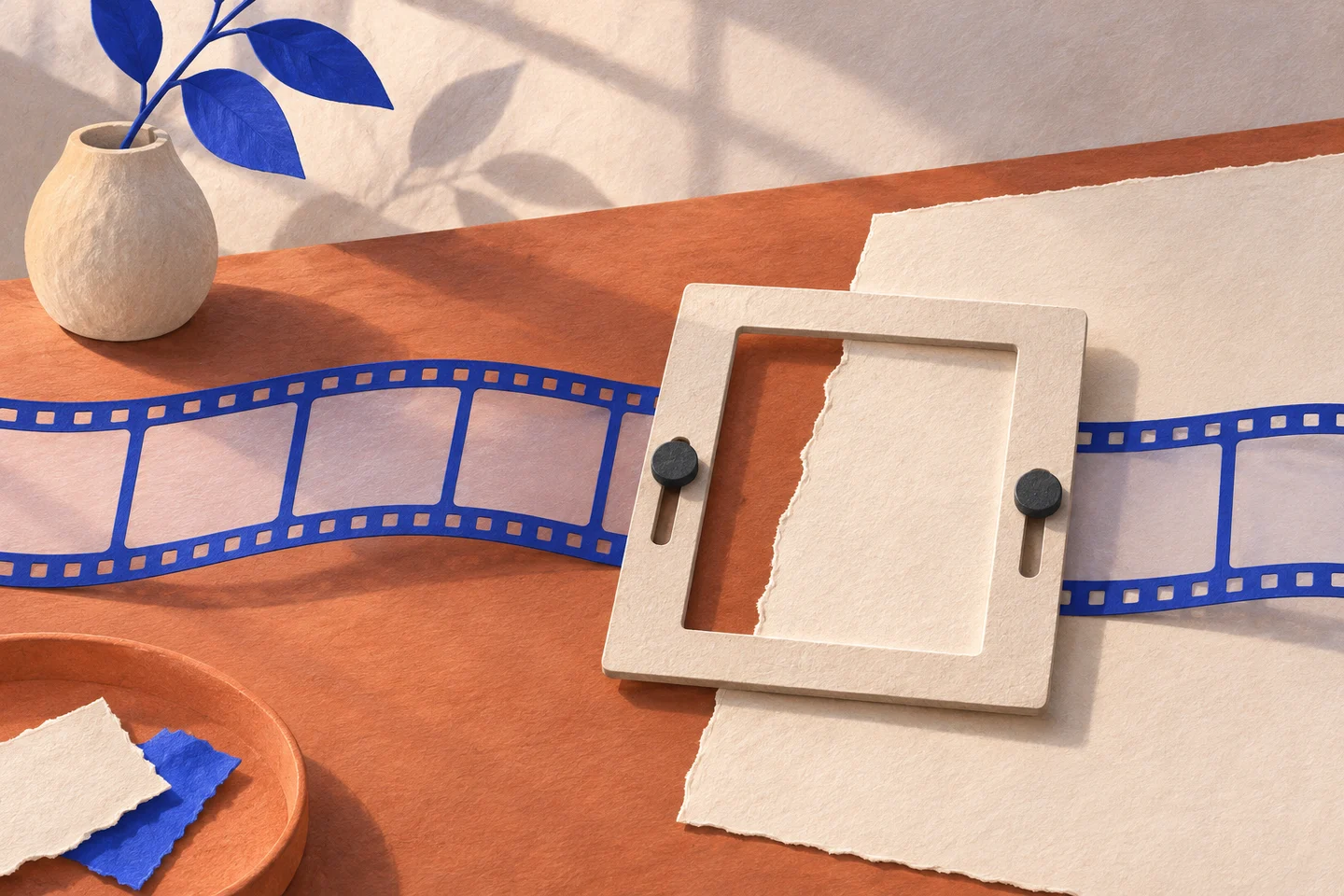
The AI-generated illustrations show frames and discarded material. They do not depict the Apollo mission or add testimony to the photograph. They accompany a practical question: the relationship between what remains inside the frame and what a choice leaves outside.
This piece approaches the Notebook’s other image essays from another side. Circulation concerns the contexts in which a file is reused; captions concern the words that guide its reading. Here the issue is the relationship between views, particularly when an arrangement invites us to read them as time.
Something real does not excuse us from making the way we tell it open to examination. Editing can take a position and build a route. Its strength becomes more interesting when we can recognise where the document ends and the editorial sentence begins.